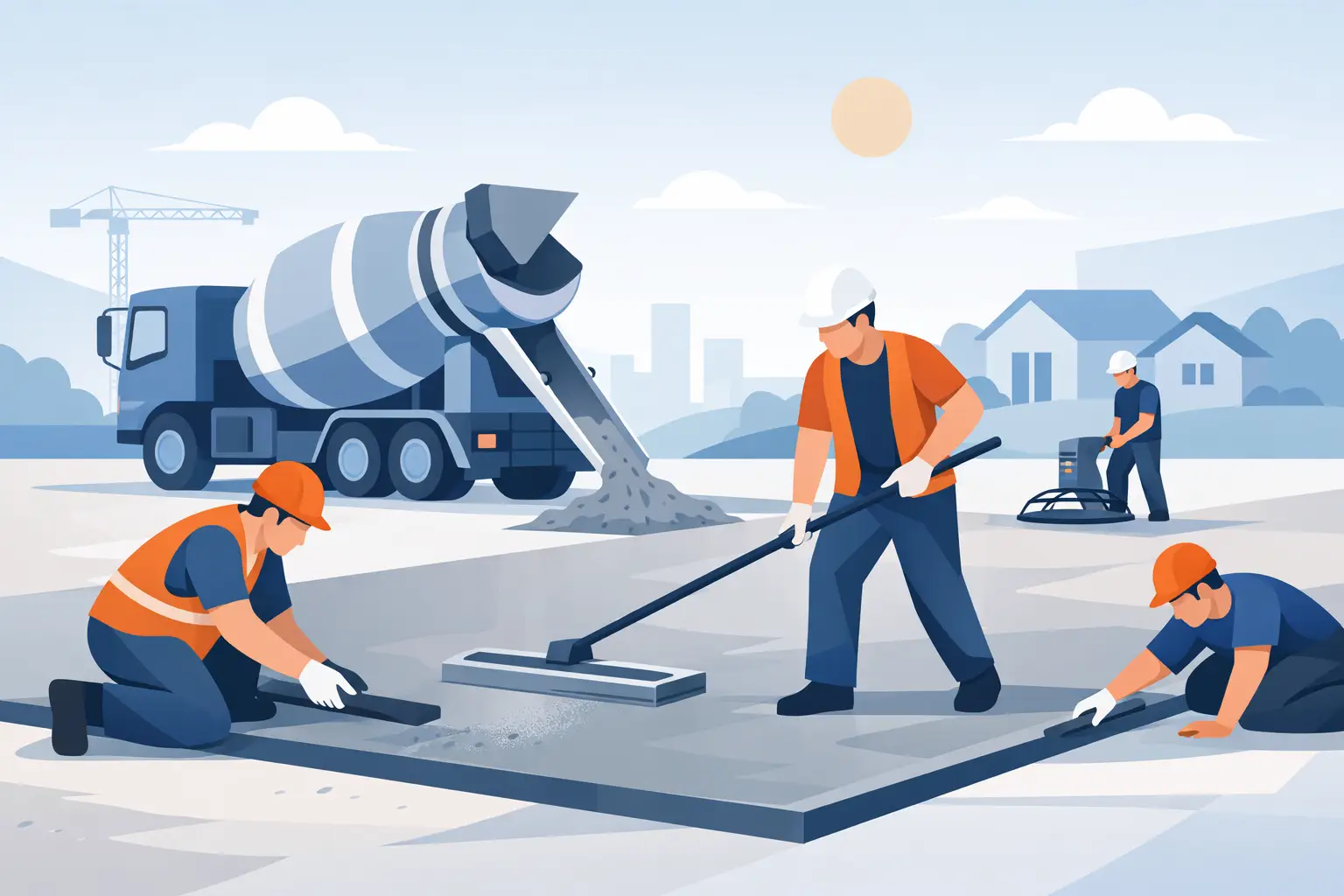
A concrete project usually looks simple from the street. A driveway is a driveway, a patio is a patio, and a sidewalk is just flatwork. Then the first heavy rain hits, water starts moving the wrong direction, a corner settles, or cracks show up far sooner than expected. That is where professional concrete installation services separate themselves from basic labor.
In Dallas-Fort Worth, concrete takes a beating. Heat, shifting soil, storms, drainage issues, and daily traffic all work against long-term performance. If you are investing in new concrete for a home, rental property, retail site, or commercial building, the real question is not just what gets poured. It is how the work is planned, prepared, reinforced, and finished so it holds up.
What concrete installation services should actually include
Good concrete work starts well before the truck arrives. The visible surface matters, but the unseen steps underneath it often decide whether the slab lasts for years or starts failing early.
Professional concrete installation services should include site evaluation, grading, base preparation, form setting, reinforcement when needed, concrete placement, finishing, joint layout, and curing. On some projects, it should also include demolition of old concrete, haul-off, and adjustments for drainage or access.
That scope matters because concrete is not forgiving. If the subgrade is poorly compacted, if the slope is off, or if joints are placed without a plan, you can end up with standing water, trip hazards, or cracking that could have been reduced with better prep. Not every crack means the job failed, but preventable problems usually trace back to shortcuts.
Why prep matters more than most property owners realize
The finish gets attention because it is what people see. The base is what determines performance.
A properly prepared base helps distribute weight, reduce settlement, and support drainage. That is especially important in North Texas, where soil movement can create trouble under driveways, walkways, and slabs. Expansive clay soils do not care how clean the final finish looks. If the ground work is weak, the surface eventually tells the story.
The right prep depends on the project. A patio for light foot traffic does not need the same build strategy as a driveway handling multiple vehicles or a commercial approach carrying service traffic. This is where a specialist earns their value. They know when standard flatwork methods are enough and when the site calls for more attention to thickness, reinforcement, or grading.
Concrete installation services for common residential projects
Most homeowners call for concrete because something needs to be replaced, expanded, or made more usable. The project may be practical, cosmetic, or both.
Driveways
A driveway has to do more than look clean. It needs enough structural support for vehicle loads, proper slope for runoff, and joint placement that helps manage normal shrinkage cracking. If access is tight or elevation changes are involved, layout becomes even more important.
In many cases, replacing a driveway is also a chance to improve function. A wider approach, smoother transitions, or better drainage can make the property easier to use every day.
Patios
Patios are often judged on appearance first, but comfort and drainage matter just as much. A patio that holds water or settles near the house can create bigger issues than an outdated backyard ever did.
A well-built concrete patio creates usable outdoor space without the maintenance demands of wood decking or loose materials. Finish options can stay straightforward or become more decorative depending on the property and budget.
Sidewalks and walkways
Walkways need to feel safe, natural, and easy to navigate. Uneven sections, abrupt slopes, or narrow paths can hurt both curb appeal and usability. For homes, that may be an annoyance. For multifamily or commercial sites, it can become a liability issue.
Good layout work makes a difference here. The path should fit the property, direct foot traffic well, and shed water away from structures when possible.
Slabs and pads
Concrete slabs for sheds, garages, equipment pads, dumpster enclosures, or additions need the right thickness and support for their intended use. A slab that looks fine on day one can become a problem if it was poured without enough attention to load requirements.
This is one reason specialized concrete contractors are often a better fit than generalists. Flatwork may look repetitive, but the demands change from one slab to the next.
Commercial concrete work has different demands
Commercial properties usually have less tolerance for delays, access issues, and uneven performance. A storefront walkway, loading area, dumpster pad, or parking lot section has to function as part of an active site.
That changes the job. Scheduling matters more. Safety planning matters more. Coordination with tenants, customers, or ongoing operations matters more. The concrete still needs the same basic fundamentals, but project management becomes a larger part of the service.
For property managers and business owners, durability is only part of the decision. Clean execution, clear scheduling, and minimizing disruption can be just as important. A contractor who understands commercial expectations will account for those pressures from the estimate stage forward.
Not all cracking means bad work, but some problems are avoidable
Concrete cracks. That is a fact, not a red flag by itself.
What matters is the type, location, width, and cause. Hairline shrinkage cracks can happen even in quality installations. Larger movement, displacement, settlement, or widespread random cracking often points to issues with subgrade prep, drainage, mix conditions, or joint planning.
This is where honest expectations matter. No contractor can promise concrete will remain perfectly uniform forever. A good contractor can explain what is normal, what is preventable, and what steps they take to reduce risk.
Customers usually appreciate straight answers here. It is better to hear that concrete has limits than to be sold a perfect outcome that no one can guarantee.
How to evaluate a contractor before the job starts
If you are comparing concrete installation services, ask questions that get beyond price alone. A low bid can leave out key steps that affect how the slab performs.
Ask how the site will be prepared, what thickness is planned, whether reinforcement is included, how drainage will be handled, and what finish is recommended for the intended use. You should also ask who is performing the work and whether old concrete removal, haul-off, and cleanup are part of the proposal.
Clear communication is a strong sign. If a contractor can explain the process in plain language, point out site-specific concerns, and set realistic expectations, that usually tells you more than a sales pitch. In a market like Dallas-Fort Worth, local experience also matters. Soil conditions, rain patterns, and temperature swings affect the way concrete should be installed.
Price matters, but value is in the lifespan
Most people have a budget. That is normal. But concrete is one of those projects where cheap work can get expensive fast.
If the slab fails early, replacement costs are far higher than doing the job correctly the first time. Even smaller issues like poor drainage, weak edges, or surface wear can reduce curb appeal and create ongoing maintenance headaches. The better way to compare proposals is to look at scope, materials, workmanship, and expected performance together.
There is also an it-depends factor. Not every property needs the highest-end finish or the most complex installation method. A straightforward sidewalk repair has different priorities than a large front-entry replacement or a new commercial slab. The right solution should match the actual use of the space.
What a finished project should deliver
At the end of the job, concrete should do three things well. It should support the load it was built for, direct water where it needs to go, and look clean and consistent with the property.
That sounds basic, but those outcomes are the result of real trade skill. A good installation is not just a pour. It is grading, timing, placement, finishing, and follow-through done correctly. That is the standard property owners should expect from a concrete specialist.
For homeowners, that may mean a driveway or patio that adds daily function and improves the look of the property. For commercial clients, it may mean safer access, cleaner site conditions, and fewer interruptions down the road. Either way, the goal is the same: concrete that works hard and holds up.
Fantastico Concrete serves Dallas-Fort Worth with that mindset. The work needs to be done right, built for the site, and finished with long-term performance in mind.
If you are planning a new slab, replacing worn-out flatwork, or improving access around a property, the best next step is simple. Get specific about how the concrete will be used, ask direct questions about prep and drainage, and choose a contractor who treats the job like more than just a pour.

